


jijl7 | Exploring the Intricate World of Simulation Games: The Art of Virtual Replication
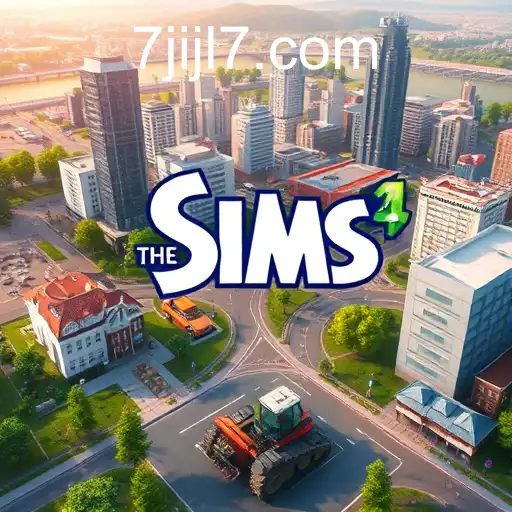
Simulation games, a fascinating genre within the broader gaming universe, offer players the opportunity to engage with virtual environments that mirror real-world activities. Often imbued with a sense of realism, these games provide users with the chance to manage, experience, and explore activities ranging from piloting an aircraft to running a city, or even living through complex social interactions in a virtual neighborhood. The creativity and potential for detailed replication make simulation games a perennial favorite among gamers seeking a blend of entertainment and education.
At their core, simulation games strive to replicate real-life processes or activities in a virtual setting. This capability not only offers an educational component but also provides users with opportunities to apply strategic and management skills. In popular simulation titles like 'The Sims', players are tasked with overseeing the lives of virtual people. Here, users manage everything from professional careers to personal relationships, crafting life stories and witnessing the consequences of decision-making in a controlled environment.
Flight simulation games are another strong sub-genre, offering enthusiasts the chance to simulate the experience of piloting an aircraft. These games are noted for their high fidelity and realism, often developed with input from aviation experts, which ensures that they offer an immersive piloting experience true to life. This kind of realism appeals not just to casual gamers but also finds utility in professional settings for training purposes.
The diversity of simulation games is vast, and their appeal broad. They have not only captivated the mainstream gaming audience but also served as valuable tools for learning and professional training. Games like 'SimCity' allow players to experiment with urban planning principles, challenging them to build and manage entire cities under specific constraints. These dynamics offer insights into how cities operate and provide players a sandbox environment to test their theories and strategies without any real-world consequences.
In recent years, the genre has expanded to include experiences that simulate farming ('Farming Simulator'), vehicle manufacturing, disease curbing, and more. Advances in technology, particularly in virtual and augmented reality, promise to push the boundaries further, offering even more immersive experiences.
Ultimately, the allure of simulation games lies in their ability to provide users with a platform for experimentation and exploration within a consequence-free virtual space. They empower players to step into roles they might never experience in real life, offering both a respite from the everyday and a stage for creativity and learning. As technology continues to advance, the potential for simulation games to educate and entertain will likely expand, reinforcing their status as a significant and dynamic component of the gaming industry.
